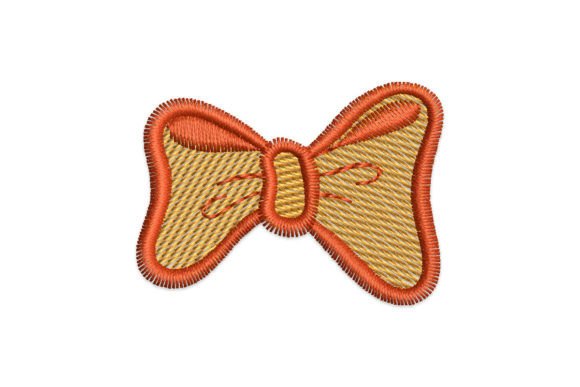
Bow Tie Embroidery Review
First Impressions of the Bow Tie Design
The Bow Tie embroidery design immediately conveys a sense of elegance and refinement. Its simple yet charming structure makes it versatile for a wide range of applications. The design feels professional enough for corporate branding while maintaining a friendly, approachable vibe that suits small businesses, handmade brands, and Etsy sellers.
Real Business Use of the Bow Tie
As a machine embroidery design, the Bow Tie excels in several areas. It works well as an embroidered patch, making it ideal for staff uniforms, apron embroidery, and cap embroidery. The design also adds a touch of sophistication to tote bag design and custom apparel, enhancing the overall aesthetic of small business merch.
- Embroidered patches: Perfect for adding a signature detail to jackets, bags, or accessories
- Staff uniforms: Adds a polished look without overwhelming the garment
- Apron embroidery: Enhances workwear with a subtle yet stylish accent
- Cap embroidery: A great option for branded headwear that needs a refined touch
- Tote bag design: Elevates the look of reusable bags for retail or promotional use
Where to Use the Bow Tie Carefully
While the Bow Tie is a strong design, there are certain scenarios where it may not perform as well. At very small patch sizes, the details can become too delicate, leading to a loss of definition. On curved surfaces like caps, the design might appear distorted if not properly adjusted. Additionally, high stitch density or intricate outlines could cause issues on textured fabrics or dark uniforms.
- Small patch sizes: May lose clarity when scaled down
- Cap fronts: Requires careful placement to maintain shape
- Curved surfaces: Needs adjustment for optimal appearance
- Tiny lettering: Not recommended due to potential legibility issues
- High stitch density: Could lead to fabric puckering or thread breakage
Impact on Brand Identity and Customer Perception
The Bow Tie design contributes positively to brand identity by reinforcing a sense of professionalism and attention to detail. When used consistently across merchandise, it helps build customer trust and recognition. As a handmade product element, it enhances the visual appeal of custom apparel and boutique merchandise, making it more attractive to buyers.
For small business owners, using the Bow Tie in commercial embroidery projects can elevate the perceived value of their products. Whether applied to event merch, customer gifts, or product packaging accents, it adds a layer of quality that resonates with customers looking for unique, well-crafted items.
Practical Tips for Embroidery Designers
Before finalizing the Bow Tie for a project, consider these key steps:
- Test the design in black and white first to assess contrast and visibility
- Check if it works at small patch size to ensure clarity and durability
- Review thread colors for proper contrast against the fabric
- Inspect spacing to avoid overcrowding or distortion
- Confirm hoop size requirements for your embroidery machine
- Test on real fabric to evaluate how it interacts with different textures
- Use proper stabilizer to prevent puckering or shifting
- Create a printable mockup for client approval before production
- Compare it beside other design assets to maintain visual consistency
- Confirm commercial licensing terms before using it for business purposes
Conclusion: A Versatile Addition to Your Embroidery Collection
The Bow Tie embroidery design offers a balance of elegance and practicality, making it a valuable addition to any embroidery file library. Whether you're working on custom apparel, apron embroidery, or branded merchandise, this design has the potential to enhance the visual appeal and professionalism of your finished product.
By considering its strengths and limitations, small business owners and embroidery shops can make informed decisions about where and how to use the Bow Tie. With proper testing and application, it can become a reliable asset for creating high-quality, visually appealing embroidered items that support brand identity and customer engagement.